


Why Winter is the Time for Contractors to Emphasize Safety and Compliance
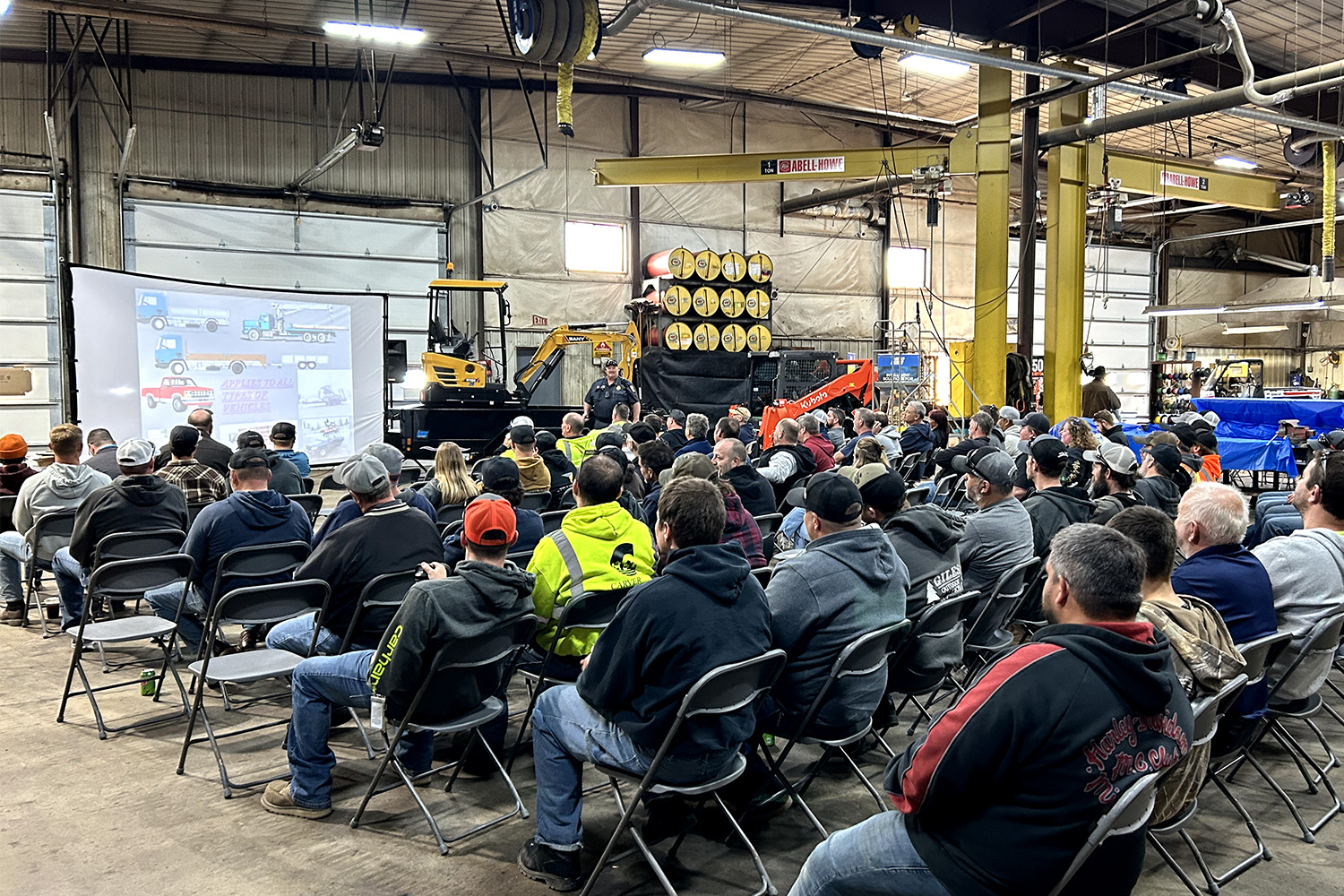
For many construction and heavy-equipment firms, the start of the year marks a slower period on job sites. Winter downtime offers a golden opportunity to shore up safety and compliance programs before the busy spring season hits. During this lull, companies can:
- Renew credentials such as OSHA 10-hour/30-hour cards for crews.
- Conduct training for new hires.
- Update supervisors and foremen on recent or upcoming regulatory changes.
- Get paperwork, safety plans, and site procedures ready for the spring ramp-up.
OSHA and other regulatory agencies often release new standards or clarifications in late fall or early winter, so early-year training helps ensure your company starts the next season both safe and compliant.
What's Possibly Changing with OSHA
Heat-Illness Prevention: A New Federal Standard Could be Coming
OSHA recently published a proposed rule titled: Heat Injury and Illness Prevention in Outdoor and Indoor Work Settings. Although not yet finalized, this proposed standard signals that heat-illness is likely to become one of OSHA's top enforcement priorities. Under the proposed rule, employers would be required to:
- Maintain a written heat-illness prevention plan.
- Implement acclimatization procedures for workers unaccustomed to heat.
- Monitor both workers and environmental conditions (e.g., ambient temperature, humidity, workload).
- Provide adequate water, rest, and shade (or cooling periods) during hot conditions.
Because outdoor work - including many tasks on heavy-equipment and construction sites - is vulnerable to heat stress, this standard will have major implications when finalized. Until then, OSHA continues to rely on its general-duty clause and its existing heat-illness guidance.
For contractors, getting ahead of the curve by drafting a heat-illness plan and training staff now is a smart move.
Silica Compliance
Respirable crystalline silica (RCS) is an invisible dust created when workers cut, saw, drill, or crush materials like stone, rock, concrete, and brick. Because these tasks are routine across many jobsites, silica exposure continues to be an important area of focus for OSHA. The good news is that proven controls, such as water suppression, dust collection systems, PPE, proper work practices, and clear exposure control plans, are highly effective at reducing risk. By taking a proactive approach to silica awareness and prevention, contractors can protect long-term workers' health, strengthen safety culture, and keep projects moving efficiently and confidently. Some of the most common violations are:
- Failure to perform exposure assessments for workers.
- Failure to follow the list of approved tasks and controls (water suppression, vacuum systems, etc.).
- Failure to maintain a written exposure control plan.
Silica isn't just a nuisance of dust; it's a known health hazard. Taking the time now to review silica exposure plans, retrain crews, and verify controls not only ensures compliance but also reinforces a culture of safety and preparedness. By addressing silica hazards ahead of the busy season, contractors protect their employees' health, build confidence on the jobsite, and position their teams for a safe, productive spring.
Trenching and Excavation
Trenching and excavation remain important focus areas in construction safety, reflecting the industry's shared commitment to protecting workers and improving jobsite practices. Since the launch of OSHA's National Emphasis Program on Trenching & Excavation, increased attention has helped elevate awareness, strengthen training efforts, and encourage more consistent use of proven protective systems. This focus reinforces the value of proactive planning, daily inspections, and competent oversight, helping contractors create safer, more confident crews and more reliable jobsite operations across all projects.
Common safety hazards to avoid:
- Lack of cave-in protection (shoring, sloping, shielding).
- Failure to provide safe egress (e.g., no ladders or ramps when required).
- No daily inspections and failure to assign a “competent person” to assess soil and site conditions.
- Spoil pile placement too close to trench edges or allowing water accumulation near or in trenches.
For the Midwest, in particular, winter and early-spring moisture fluctuations can make soils unstable, increasing the risk of cave-ins once excavation resumes. That's why early-year trenching safety reviews and retraining are so critical.
What To Do Now
If you own or manage a construction or heavy-equipment operation, here's how to use the slow season to strengthen your safety foundation:
- Refresh OSHA training. Ensure all crews have current OSHA 10- or 30-hour certifications; retrain those who need it.
- Review and update safety manuals. Especially for silica, heat-illness prevention, excavation/trenching, fall protection, and PPE.
- Implement or update written plans. Exposure control plan (silica), heat-illness prevention plan (proposed), excavation and trenching safety plan.
- Conduct training / toolbox talks. Include winter-specific hazards (slips, soft ground, low light), excavation protection, and upcoming regulatory changes.
- Establish consistent documentation. Inspection logs, training records, equipment maintenance, PPE checks, and exposure assessments.
- Assign competent people. For excavation/trenching, ensuring daily inspections, soil classification, and proper protective systems.
- Plan for heat/summer hazards. Even in winter, draft procedures now so you're ready when warm weather returns.
Final Thoughts
Winter doesn't have to be downtime; it can be a strategic reset. By using the slower months to sharpen safety procedures and compliance readiness, contractors can avoid costly violations, enhance worker safety, and build momentum for a safer, more efficient spring.
References
- OSHA Proposed Rule: “Heat Injury and Illness Prevention in Outdoor and Indoor Work Settings” OSHA+1
- Department of Labor / OSHA reminders about heat hazards and employer obligations DOL+1
- OSHA's enforcement data on trenching/excavation citations and National Emphasis Program statistics 2011–2023 CDC Stacks+2ECM Web+2
- Data and analysis on silica-standard violations, including exposure assessments, Table 1 compliance and written exposure plans National Law Review+2Ogletree+2
- OSHA's top construction violations list showing fall protection, PPE, ladder/scaffold, and excavation among the most-cited standards JJ Keller Safety+2ECM Web+2